- Home
- Primary Services
- Medical Units
- Physical Therapy And Rehabilitation
- Nutrition And Diet
- Emergency Service Unit
- Dermatology
- Radiology
- Pediatric Surgery
- Psychiatry
- Dental Diseases And Treatment
- Neurology
- Chest Diseases
- ENT – EAR, NOSE, THROAT
- Brain And Nerve Surgery
- Gynecology And Obstetrics
- Orthopedics And Traumatology
- General Surgery
- Ophthalmology (Eye Diseases)
- Cardiology
- Child Diseases and Health
- Endoscopy Unit
- Internal Diseases
- Doctors
- About Us
- Contact
- Blog
Trans PRK
What is Trans PRK and How Does It Work?
Trans PRK (Transepithelial Photorefractive Keratectomy) is an advanced type of laser eye surgery used to correct vision problems such as nearsightedness, farsightedness, and astigmatism. Unlike traditional PRK, Trans PRK is a no-touch, all-laser technique. It gently removes the outer layer of the cornea (epithelium) and reshapes the underlying tissue to enhance vision. This minimally invasive method is a preferred choice for patients who are not suitable for flap-based procedures like LASIK
How Is Trans PRK Different from Other Laser Surgeries?
Although Trans PRK shares the same goal as other laser eye surgeries—reshaping the cornea for clearer vision—it has several unique features:
- No Flap Involved: Unlike LASIK, Trans PRK does not involve cutting a corneal flap, making it safer for those with thin corneas.
- Fully Laser-Based: The procedure is entirely laser-assisted, removing the epithelium and reshaping the cornea in one continuous step.
- Slightly Longer Recovery: Healing takes a bit longer compared to LASIK, as the outer layer regenerates naturally.
Who Is a Good Candidate for Trans PRK?
Trans PRK is ideal for patients with refractive errors who may not qualify for LASIK due to thin corneas, chronic dry eyes, or active lifestyles. It’s also suitable for individuals who play contact sports or have jobs that involve physical risk, as there’s no corneal flap to disturb.
Benefits of Trans PRK
- Safe for Thin Corneas: No flap means reduced risk of complications.
- Touch-Free Procedure: Enhanced comfort and precision using only laser technology.
- Ideal for Active Lifestyles: No risk of flap dislocation makes it safer for athletes or physically active individuals.
- Excellent Visual Results: Offers high success rates with stable long-term outcomes.
What to Expect During the Procedure
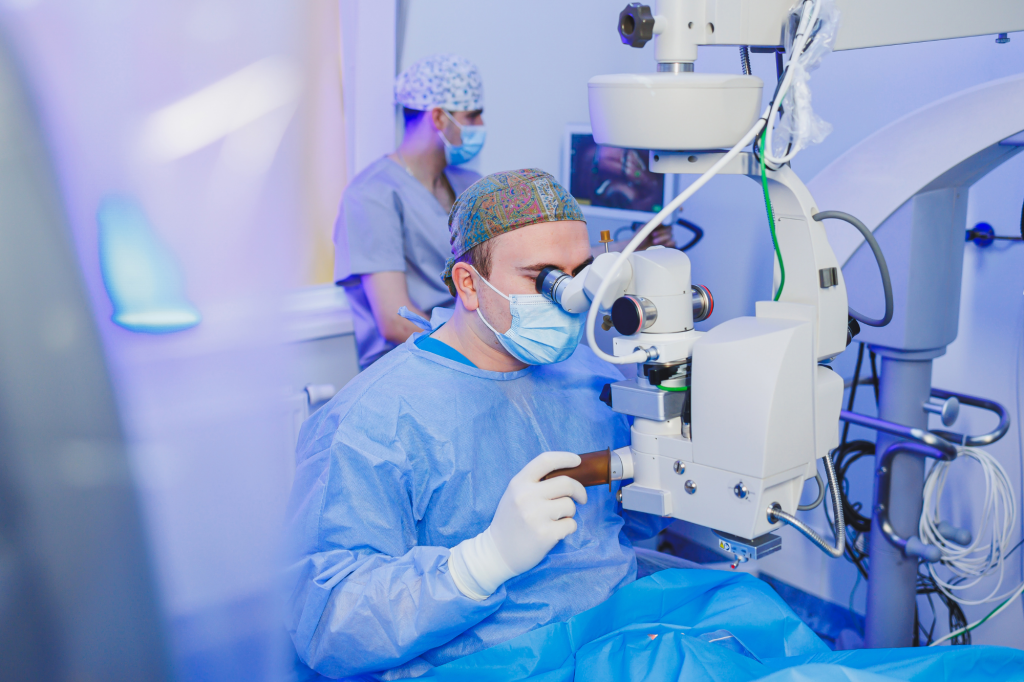
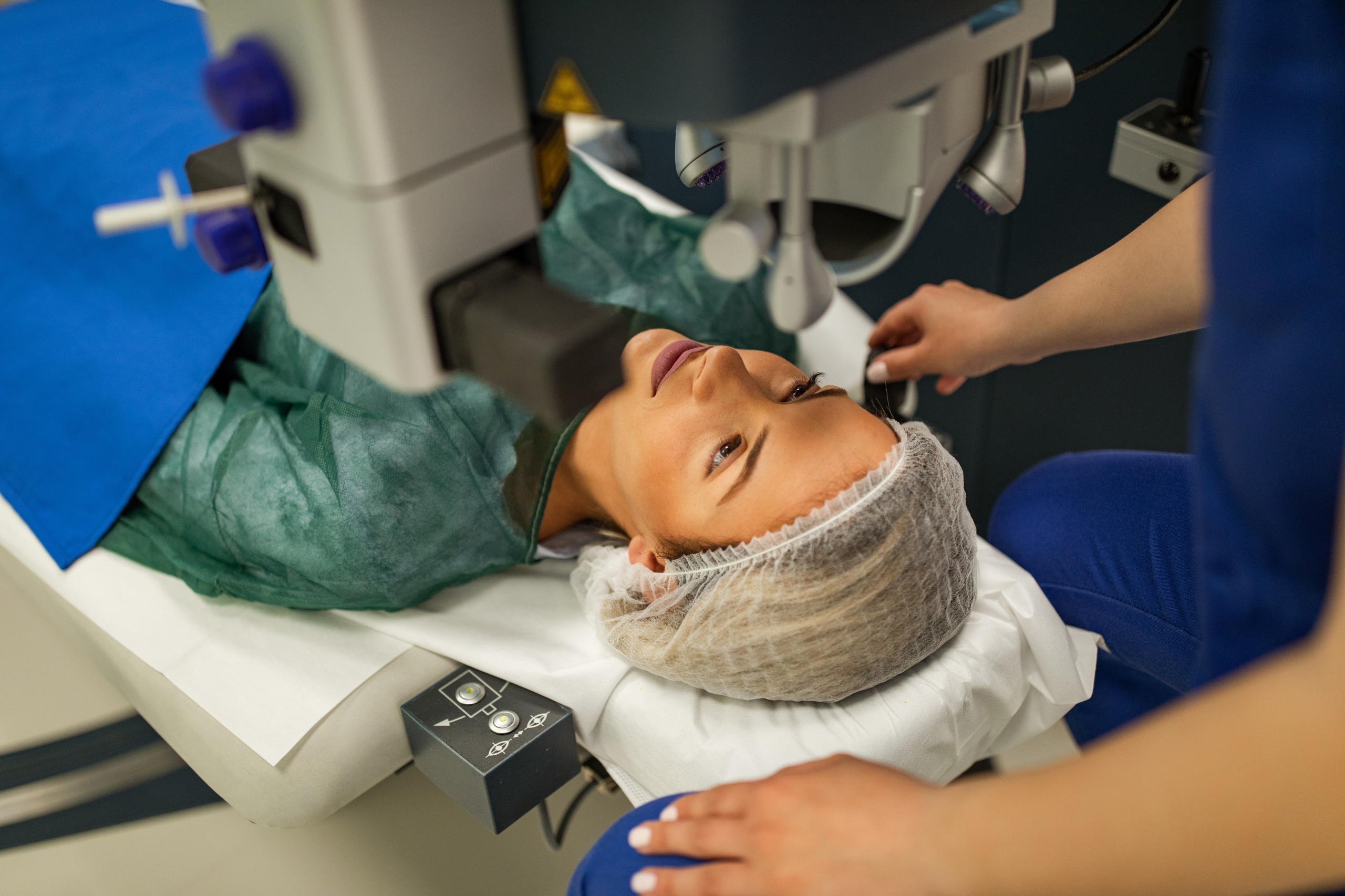
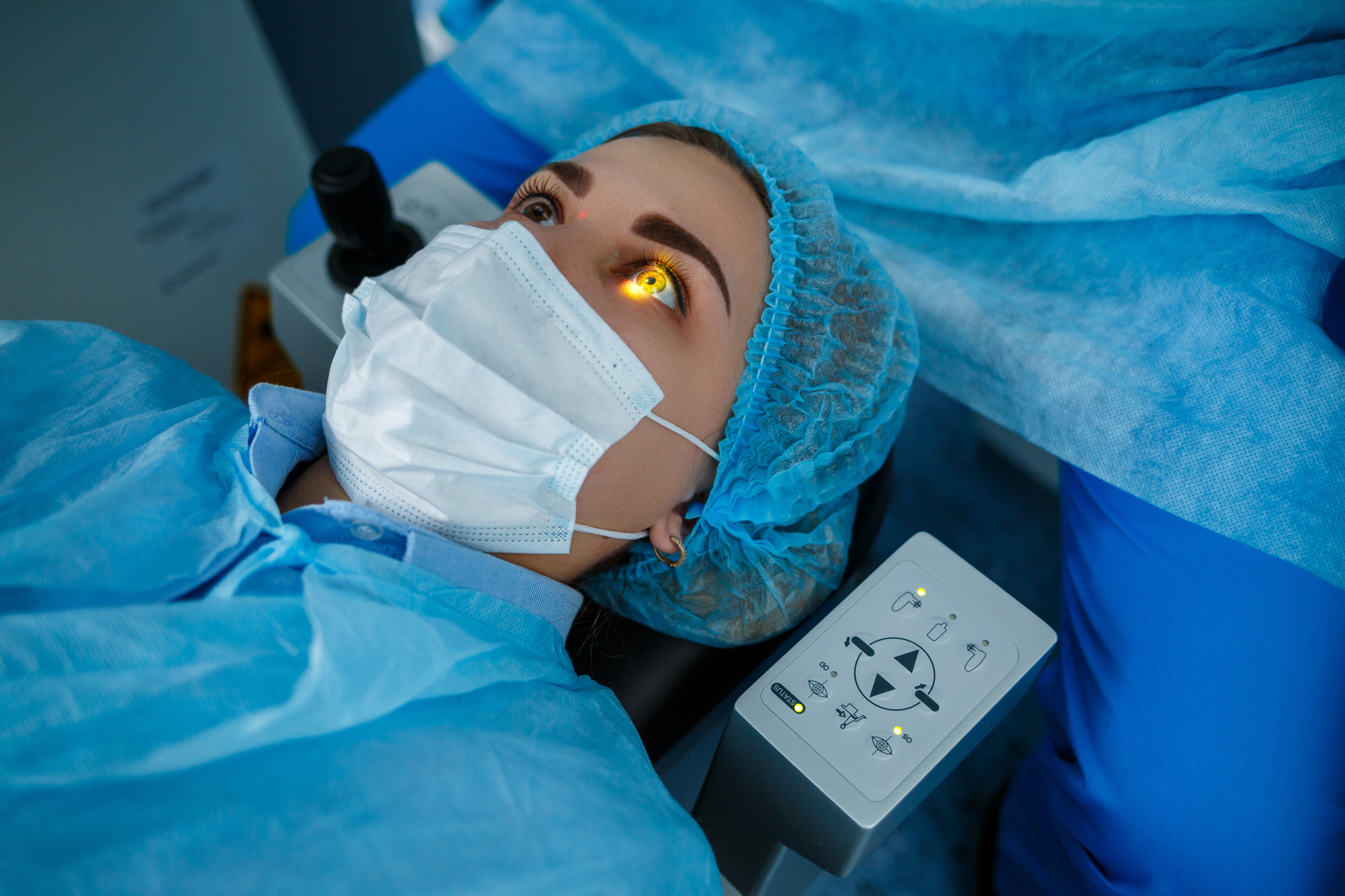
The procedure takes approximately 10–15 minutes per eye. After applying numbing drops, the laser removes the epithelium and then reshapes the cornea. No tools touch the eye during the entire process. Once complete, a protective contact lens is placed over the eye to support healing.
Recovery After Trans PRK
Recovery may take slightly longer than LASIK. Patients can expect some discomfort, light sensitivity, and dry eyes in the first few days. The protective lens is typically worn for 3–5 days. Vision gradually improves, with full clarity developing over a few weeks.

Possible Risks and Side Effects
While Trans PRK is very safe, side effects such as halos, glare, or temporary dryness may occur. Rare complications like corneal haze or slight under/overcorrection are possible but manageable with follow-up care and proper monitoring.
Long-Term Results
Trans PRK delivers long-lasting results, with most patients achieving 20/20 vision or better. Although the recovery period is longer, the visual outcomes are comparable to LASIK. Any initial fluctuations in vision usually stabilize within a few months.
Why Choose Trans PRK in Istanbul?
Istanbul offers modern eye clinics, expert surgeons, and affordable pricing, making it a top choice for Trans PRK. Patients benefit from world-class care, advanced technology, and a smooth medical tourism experience—all in one of the world’s most vibrant cities.
Conclusion: Is Trans PRK Right for You?
If you’re not a candidate for LASIK or prefer a flap-free procedure, Trans PRK may be the ideal vision correction option. It’s safe, precise, and delivers long-term results. Consult a specialist in Istanbul to see if Trans PRK is the best choice for your needs.
Contact Us To Get Better Information
If you got any questions, please do not hesitate to send us a message. We reply within 24 hours !
 English
  Turkish